Blog
Blog

A gig that went well can be a very fulfilling experience. For vocalists, it is essential that they can sing and perform without worrying about the technical aspects of their sound.
In this blog, you will learn important tips and techniques to improve your vocal sound, so you can perform with confidence and deliver a great show.
As a pro-audio and microphone company, we have extensive knowledge about the technical aspects of audio. All of our content is written by real humans and fact-checked by professional audio engineers.
One of the most important things for a great vocal sound on stage is the right microphone. For optimal audio quality, getting it right at the source is always the goal.
Primarily, a great live vocal microphone is the one that fits your unique voice. So take every microphone recommendation with a grain of salt (including ours). If you can, go to a local shop and try different microphones and see which one fits your voice the best.
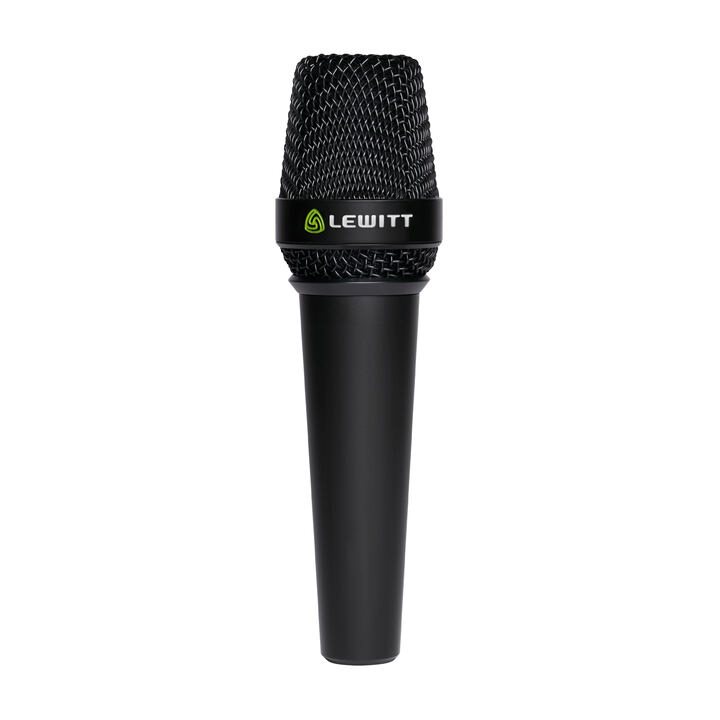
Here are the LEWITT live vocal microphones.
There are a few aspects that you should look for in a live vocal microphone.
Different technical aspects of live vocal microphones can influence their performance and sound.
Dynamic or condenser live vocal microphones
The main job of a microphone is to transform sound waves into electrical signals, so they can be used further. The most common designs are dynamic and condenser microphones.
You can learn more about their differences and how they work in the blog "Dynamic vs condenser microphones".
For live vocals, their main differences are their sound.
Now, let's take a listen to a dynamic (MTP 5) and a condenser microphone (MTP W950).
Like with all music, there is no right or wrong. If you can, try both and see which one fits your voice and style of music the best.
Both dynamic and condenser live vocal microphones are viable options.
In general, dynamic microphones are more rugged and can withstand higher sound pressure levels (loud audio signals) than condenser microphones. But live vocal condenser microphones are specially designed to work well on stages. So the usual downsides of condenser microphones can be overcome to make them work just as well on stage as dynamic microphones.
What is the best polar pattern for live vocal microphones?
A polar pattern determines from which direction the microphone picks up sound most efficiently.
Most live vocal microphones use a cardioid polar pattern that picks up sound from the front and rejects sound coming from the back and the sides. As a result, cardioid is an easy-to-use choice for live vocal microphones.
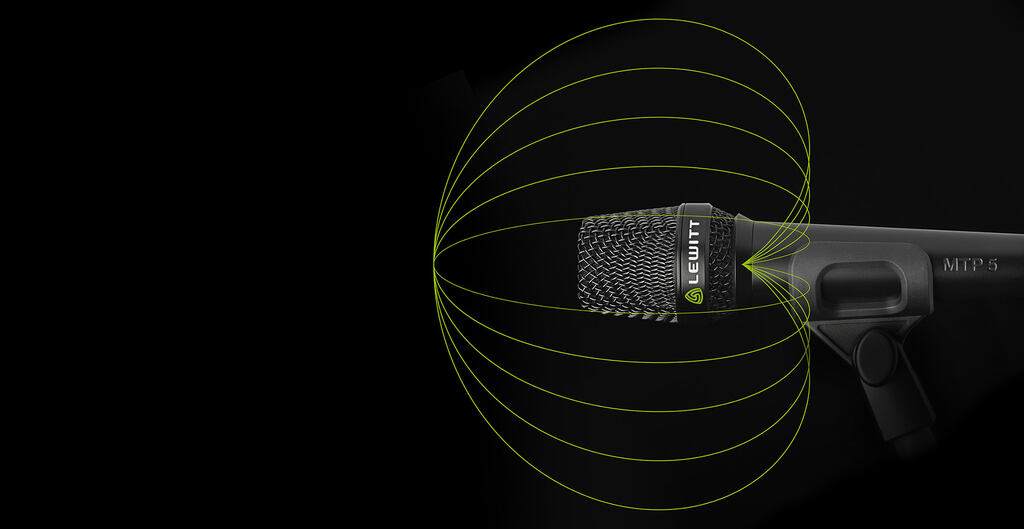
You can learn more on our blog about polar patterns.
Another popular polar pattern for live vocal microphones is supercardioid. Compared to cardioid, the supercardioid polar pattern is narrower, rejects more sound from the back, but less from the sides, and can be useful for some specific applications or stage setups.
With cardioid or supercardioid polar patterns, you can’t go wrong.
If you are considering a microphone with another polar pattern, make sure to understand how they work and if it is a good fit for a stage mic.
The LEWITT MTP 5 is a great option with a dynamic capsule. It ticks all the boxes of a fantastic live vocal microphone. It offers exceptional sound quality, enhanced durability, and high feedback resistance in an affordable package.
The LEWITT MTP W950 is the Cadillac of live vocal microphones. It offers studio sound on stage via its 1" true condenser capsule. Your voice will have the same outstanding sound quality as if you were using a studio microphone. The capsule can be detached and used on wireless systems. You can also get switchable polar patterns, a low-cut, and a PAD.
It really is the best of the best. That’s why it is used by some of the biggest names in music: Stevie Wonder, T-Pain, Kehlani, Lisa from Black Pink, and many others.
Underestimated by a lot of singers is how much influence your hand can have on the sound of your microphone.
Singers have different ways of holding the microphone in a way that feels most natural for them and their performance. You might see artists hold the microphone in a cool looking and way with a rock-star attitude, but there can be a downside.

Cupping the microphone can hugely alter the sound and lead to feedback problems.
Proper microphone technique
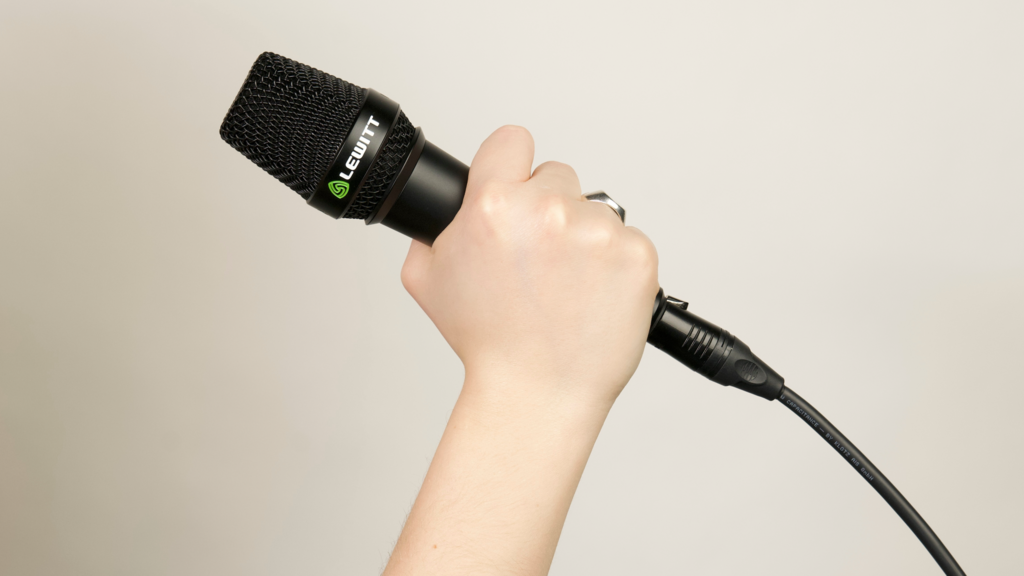
Cupping the mic
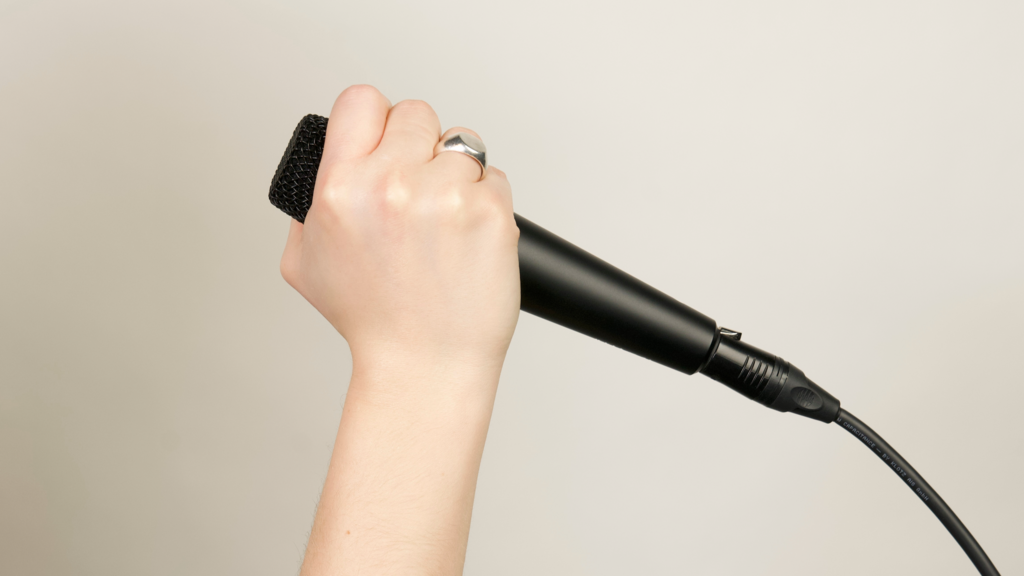
LEWITT's cupping safe-design
The metal ring serves as a natural barrier for the artist
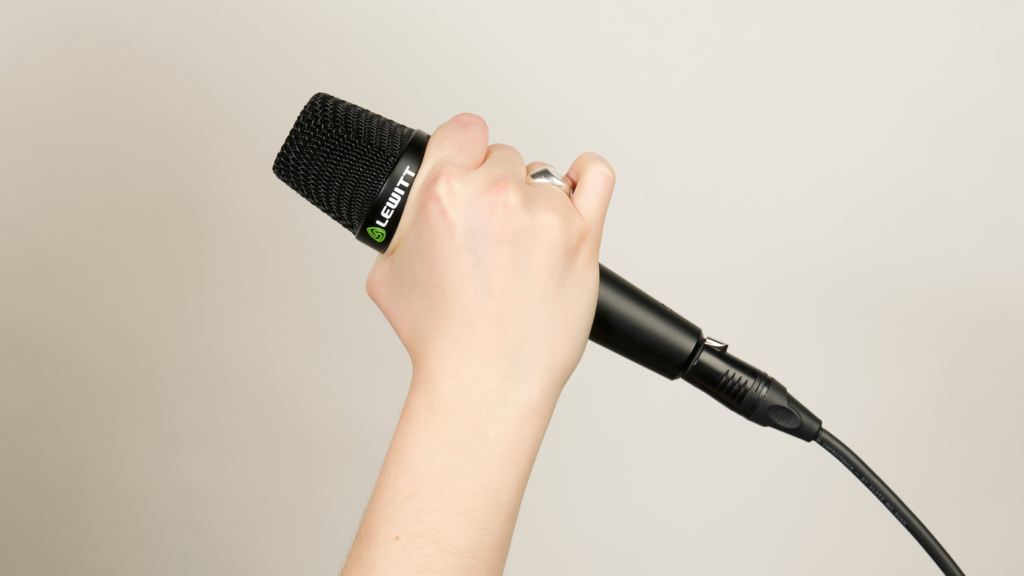
Below you can hear a sound sample that illustrates the change in sound.
As a general rule of thumb, if you want optimal sound quality from your microphone, do not cup it at all.
It might look cooler to cup it, but it’s not worth sacrificing your audio quality over it.
Another important factor is your distance from the microphone. If you are too close, your voice will get an unwanted bass boost, and you will sound muffled. That is called the proximity effect.
If you are too far away, your voice can sound thin. Also, the further away you are from the microphone, the more gain it needs. More gain also means a higher probability of creating feedback loops, feeding the sound of the PA speakers back into your microphone. That can quickly become a problem for the sound engineer, you, and the audience.
For optimal sound, keep your microphone about one hand's width away from your mouth.
It is essential to learn good microphone technique so you can perform optimally and get the best sound possible.
Great singers and vocalists can use this to their advantage. Check out the video below to see learn more.
Now that you have learned how positioning, mic cupping, and the technical aspects of live vocal microphones work, it’s time to use your know-how to improve your sound on stage.
One of the worst sounds at any concert is unwanted feedback. It’s loud, shrill, and makes you cringe. So, how can we avoid feedback on stage?
First, let’s unpack what feedback actually is. Feedback occurs when the microphone "feeds back" parts of its own signal from a loudspeaker, e.g., your stage monitor. This "feedback loop" gets amplified further until it is so loud that the shrill sound is all you hear.
That can only occur when your microphone picks up audio from a stage monitor. It is your job as a singer to never point the microphone at the stage monitor.
Cupping your microphone can make the microphone pick up more sound from the side or back. It can be a natural instinct to put your hand on the microphone to avoid the feedback, but this will have the opposite effect.
Never cup the mic, when feedback occurs. Instead, point the microphone away from the stage monitor when you start hearing it.
As we have learned, microphones have a polar pattern that defines from where the microphone picks up sound, and rejects it. Learn your microphone's polar pattern and get a feel for it. You can position yourself and your microphone in such a way that you minimize unwanted sound.
Make sure that drums or other live instruments are either to the side or to the back of you. Use the soundcheck and talk to the sound engineer to optimize your sound.
In the video below, you can check out how well it can work. You can hear the full live mix, and then only the vocal with minimal unwanted sound.
Now, let’s ask professional front-of-house engineers about what makes a great vocal microphone and what they would recommend.
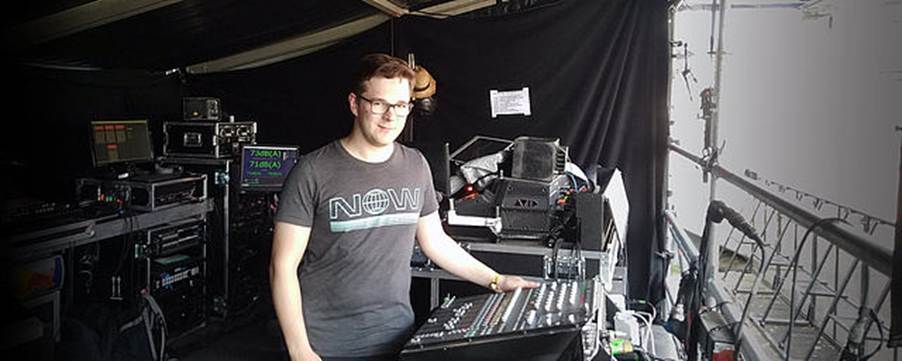
Christian Hölzel is an Austrian front-of-house engineer. He is touring with bands such as Cari Cari and Paul Plut. Here is what he thinks about microphone choice for live stages:
"Besides having the right sound, a good microphone must be robust for me, meaning I need to be able to rely on it still working even if the microphone case, unfortunately, takes a dive off the loading dock.
I also prefer microphones that are as small and lightweight as possible, so that I can transport a larger number of them on the subway when heading to a concert.
The LEWITT MTP 5 is a great choice - it’s a solid and great-sounding microphone!"
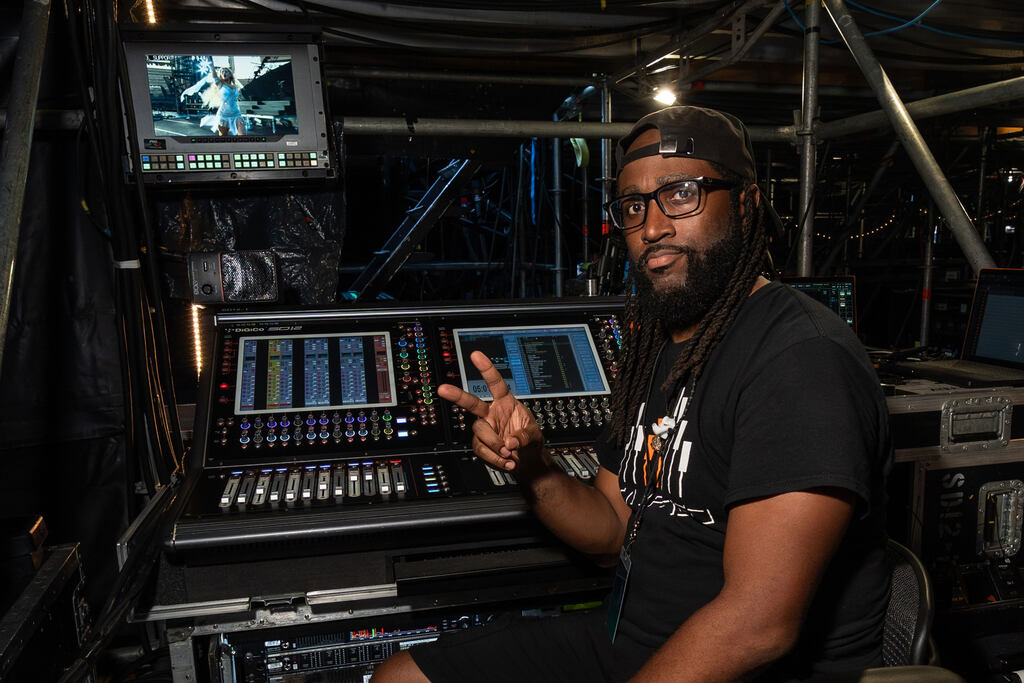
Caleb James is an international front-of-house engineer. He is touring with artists such as Andra Day, Ayra Starr, Jon Batiste, Kehlani, Lil Yachty, Latto, Lisa (Blackpink), and many more. He is using the LEWITT MTP W950 for his biggest artists.
"The MTP W950 capsule has the answers to questions you didn't know you had. From its versatility as a handheld and wireless mic capsule, to its amazing sonic characteristics. It is a tool that can get your live vocal right where you want it in your mix."
Related stories

What is the proximity effect?
Radio announcers use it to make their voices sound bigger and more impactful. The so-called "proximity effect" leads to a bass boost in directional microphones…
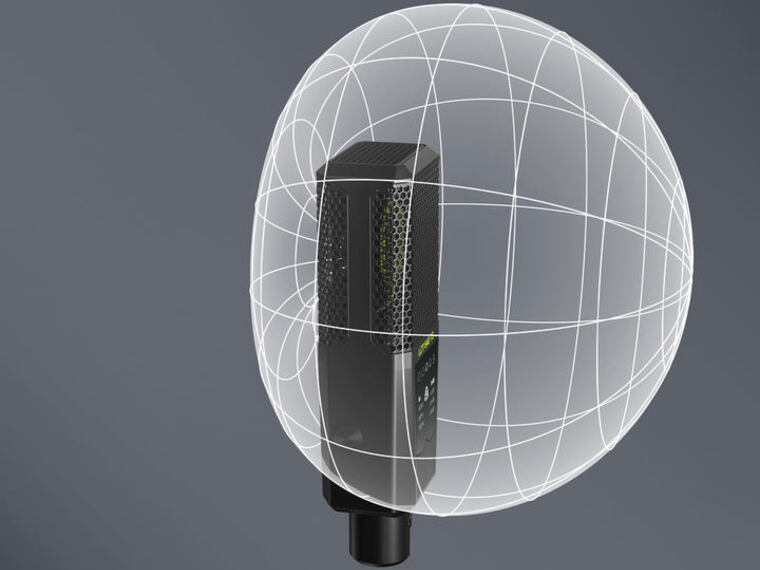
What is a cardioid polar pattern?
If you have ever used a microphone, chances are high that it was a cardioid polar pattern microphone. It is the most used polar pattern in microphones. But what…