Blog
Blog
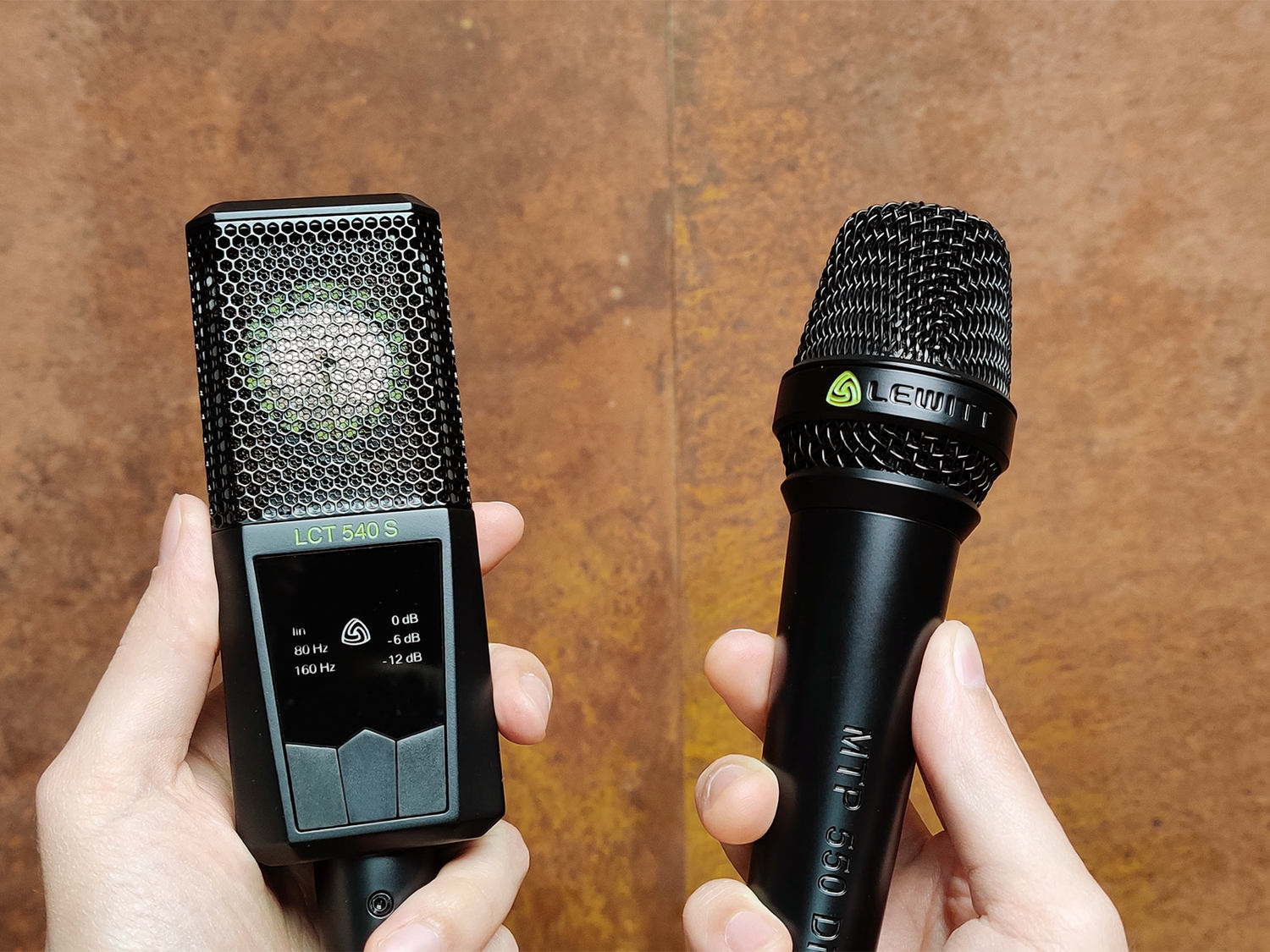
There's a sheer endless amount of threads addressing the question, Which microphone is better, dynamic or condenser?
This blog makes you easily understand when it makes sense to use a dynamic or a condenser microphone. We have prepared a few examples that tell you why you can use one or the other.
One thing in advance: both types of microphones turn sound waves into an electric signal and can be used for recording, streaming, podcasts, and live applications.
They differ in their respective transducer principles to turn sound into a signal, which leads to different (common) use cases for the two types of microphones.
Click here, if you want to learn how a microphone works.
A condenser microphone (usually) uses a diaphragm that moves according to the sound to turn sound into an electric signal. Some people also refer to condenser microphones as capacitor mics. Here's why.
The membrane of the condenser microphone detects sound pressure level changes. Through the differences in capacitance between two electrically charged plates and the help of internal electronics, the condenser microphone converts sound into an electrical signal. That is why XLR condenser microphones need 48V phantom power to work.
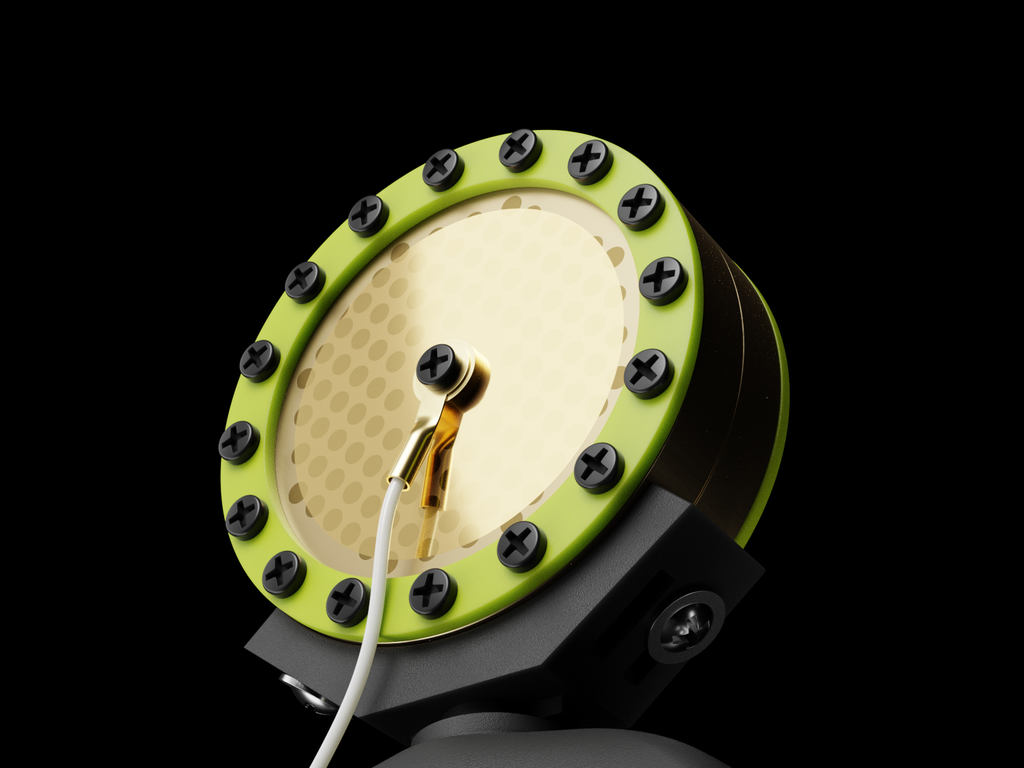
With their higher sensitivity, condenser microphones are more suitable for sources that need to be reproduced in great detail or are further away. In general, you can say that recordings created with a condenser microphone sound cleaner compared to dynamic microphone recordings.
The most relevant difference between condenser and dynamic microphones is sensitivity. The difference in sensitivity largely determines the intended use of the two types of microphones.
Dynamic microphones use a moving coil to convert sound into voltage.
With their low sensitivity, dynamic microphones are used for loud sources. With a dynamic microphone, the gain on your preamp needs to be higher to get the same signal strength that you would get with a condenser microphone.
This weaker signal-to-noise performance of the dynamic microphone does not fall into weight when recording high sound pressure levels or with close-mic positioning, two use cases common for dynamic microphones.
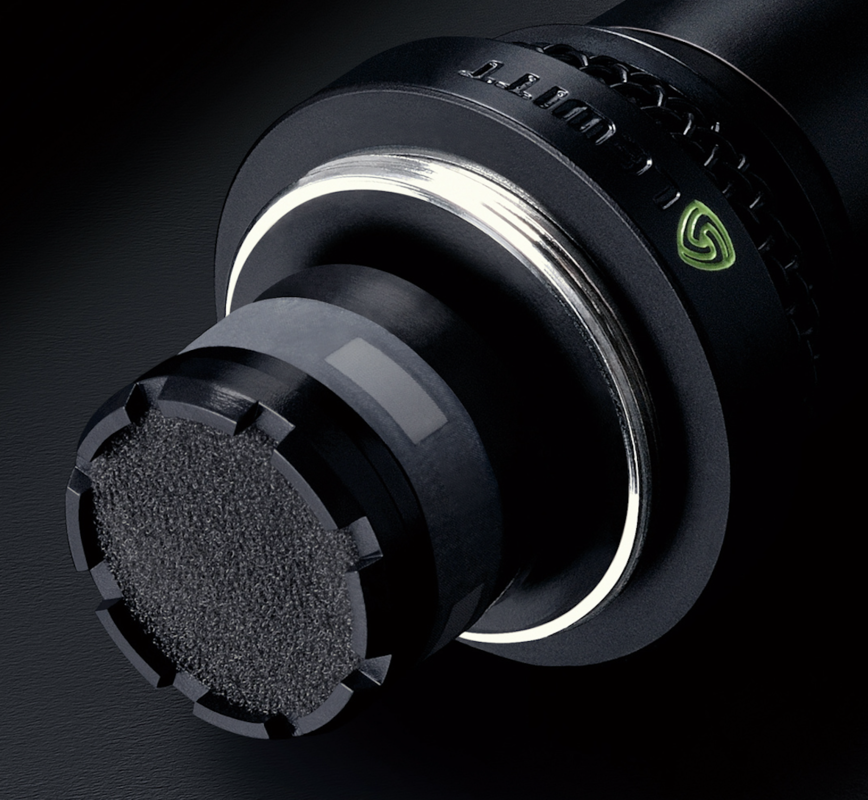
Dynamic microphones are sturdy and don't need phantom power or any other external power to work.
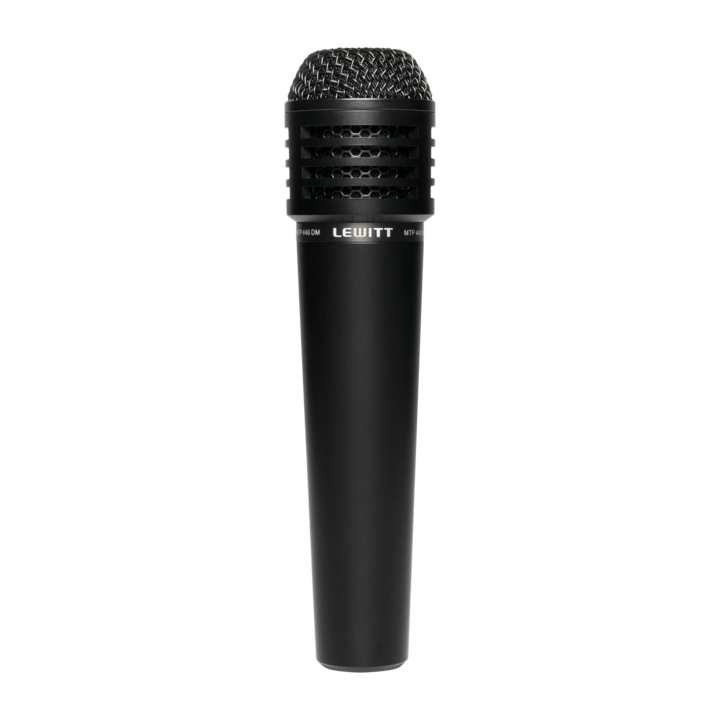
Our best selling dynamic microphones
Examples
Let’s take a look at some examples and analyze the reasons why we would use one mic or the other. But before we do that.
But first, let's have a listen to a vocal recording. The first is done with a dynamic microphone (MTP 550 DM*), the second one with a condenser microphone (MTP 940 CM). Can you hear the difference in the details?
*now available as MTP 5
You have probably heard the rule: if your room isn't treated, get a dynamic microphone, because dynamic mics handle background noise better. It gets repeated everywhere, and it is the reason a lot of people buy the microphone they buy.
So we tested it with three microphones:
*(discontinued, replaced by the MTP 5)
We placed all three the same distance from the keyboard and the speaker, and we level-matched them, which means we set each one to the same recorded volume.
Level-matching is the only way any microphone comparison is fair.
Then we recorded two scenarios: 1) a studio with keyboard clicks while talking and typing, and 2) a room with little to no acoustic treatment, a computer, and an air conditioner running.
The result: no clear favorite. Background noise was not a deal breaker for any of them.
Background noise was not a deal breaker for any of the three microphones.
Watch the test and judge for yourself. Then tell us in the comments which one you preferred.
So are dynamic mics better? The correct answer is no, but also yes. Let me explain.
In our test, all three microphones sat the same distance from the keyboard and were level-matched. Under those conditions, you don't hear a meaningful difference in background noise. That is the no part.
But that is not how people use these microphones. Dynamic microphones usually have lower sensitivity, so you work much closer to them.
The closer you are, the louder you are compared to everything else in the room, and the less gain you need. Less gain means less room in your recording. That is the yes part.
So a dynamic microphone can give you less background noise. Not because of what it is, but because of where you put it.
One more thing worth knowing: condenser microphones reach further into the high frequencies, so bright reflections come through more audibly. That is a tonal difference, not noise rejection, and a high-shelf cut takes care of it.
A dynamic microphone can give you less background noise. Not because of what it is, but because of where you put it.
Distance first. Sound gets about 6 dB quieter every time you double your distance from it.
Turn that around: halve your distance to the microphone, and your voice gains about 6 dB on everything else in the room. Your air conditioner doesn't move. You do.
Halve your distance to the microphone and your voice gains about 6 dB on everything else in the room.
Working the mic closely to reduce room sound has a side effect. The bass builds up as you get close to any directional microphone, but a low-cut can handle it.
RAY is built for exactly this. Its AURA technology measures how far you are from the microphone and adapts level and tone as you move, from 5 to 100 cm. Autofocus for your voice. It ships with a magnetic pop filter and a shock mount, and so does the LCT 440 PURE.
Polar pattern
Then there is the polar pattern, or directivity. A cardioid microphone picks up mostly from the front and much less from the sides and the rear. Two microphones with the same pattern reject room sound by the same amount.
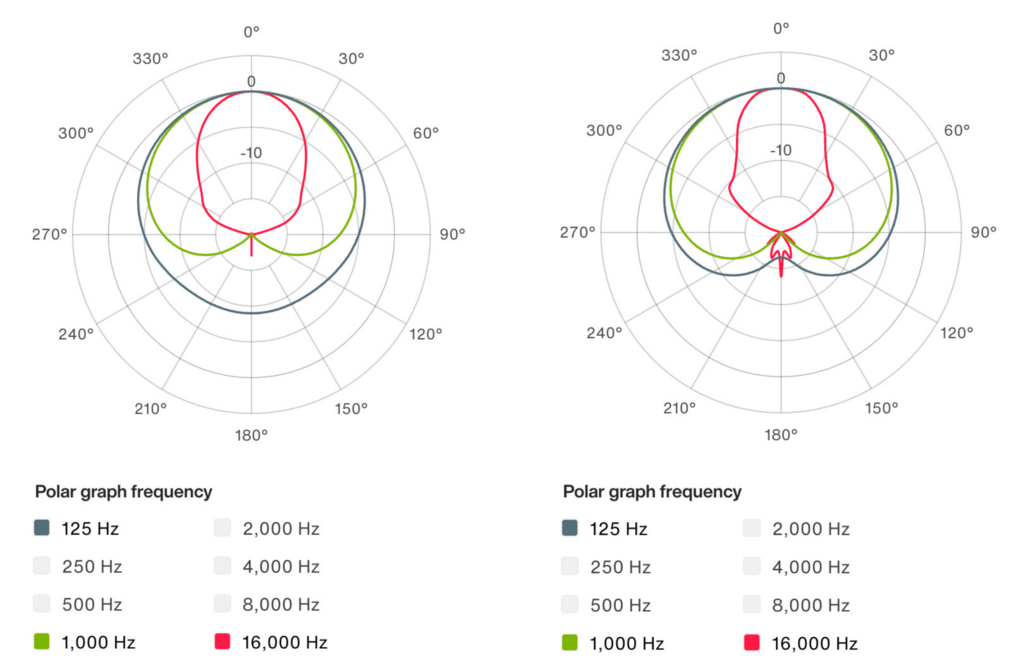
But be aware there are differences in the polar pattern consistency throughout the frequencies.
Below you can see polar graphs of two "cardioid" microphones that behave the same at 1kHz but very differently at low and high frequencies. The one on the left loses its consistency in the lows for sound coming from the rear of the mic, whereas the right one does lose its full rear rejection it in the very highs.

Typical choice: Condenser
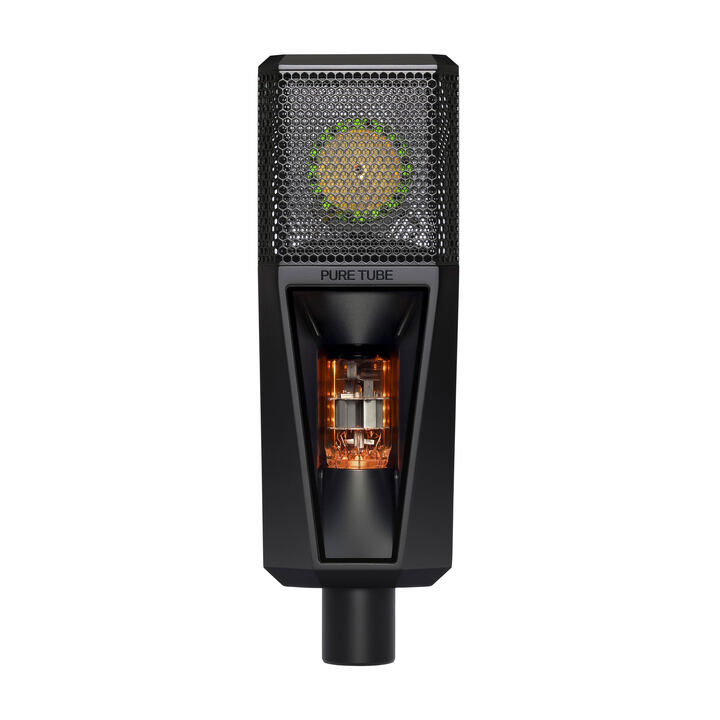
There's a high chance that you, like most studio engineers, will be using a condenser microphone to record vocals.
This has at least these reasons.
Great microphones for vocal recordings

Typical choice: Condenser
Both microphone types, dynamic and condenser, are suitable to record acoustic guitar. Still, there are some significant differences in what the result sounds like.
The membrane of the condenser microphone reacts much quicker to sound and reproduces the higher frequencies more accurately.
The condenser microphone has a much better high-frequency response or transient response.
A better transient response leads to an increased amount of details in your acoustic guitar recording.
Typical choice: Dynamic
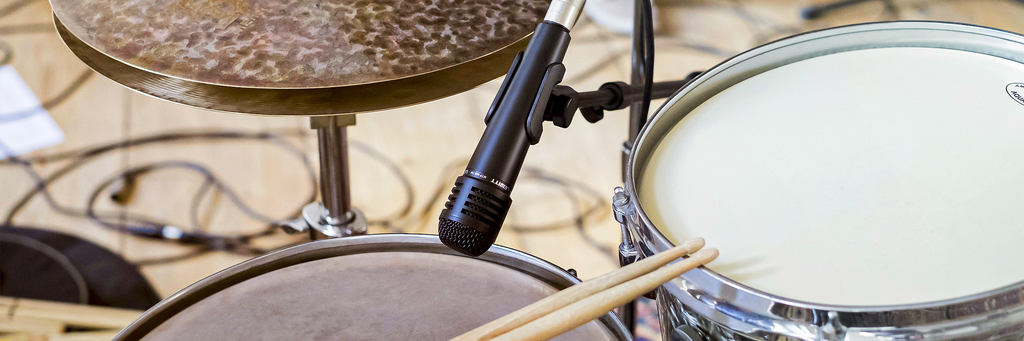
To increase definition, it makes sense to record parts of the drum kit at a close. The best examples are kick and snare. Dynamic microphones are your usual candidates for drum applications.
This has the following reasons.
Double rim shots on a snare can produce sound pressure levels of up to 150 dBSPL. Without a pre-attenuation (pad), most condenser microphones will clip, or at least the output will be too high for the equipment next in line, e.g., your standard USB audio interface.
Great microphones for drum recordings

Typical choice: Condenser and dynamic
As with vocal recordings, podcasts and voice-over recordings sound great when you use a condenser microphone. The condenser microphone reproduces a lot of details of your voice.
Still, many broadcast studios like radio stations are using dynamic microphones for their live sessions.
A dynamic microphone is not automatically better in an untreated room. We tested it with three microphones and two rooms. The results are in "So what about untreated rooms" further up this post.
Great microphones for voice and podcast recordings
Typical choice: Dynamic
Due to their transducer principle of using a moving coil, dynamic microphones are basically indifferent to high sound pressure levels. With the low sensitivity, you won't have problems with overloading your preamp's input.
Now, one could ask, can't we just turn down the volume on the amplifier and record the not so loud signal? Of course, we could!
It's not that we typically use a dynamic microphone because the condenser microphone can't handle the high sound pressure levels, but simply because
If you have both microphone types at hand, see if you create a fuller and more personal tone by using both. Experiment with the position in front of the cabinet and always check that they are in phase.
If you have both microphone types at hand, see if you can create a fuller and more personal tone by using both.
Great microphones for amp recordings
The great thing about recording is the space for being creative. You can achieve great results with any quality microphone. But as we have seen, there are some things that just work much easier when using the one mic or the other. And in an untreated room, what matters most is how close you are to the microphone, not what its capsule is made of.
Q: Can I use a condenser mic in an untreated room?
A: Yes. Work close to it, use a cardioid pattern, and expect to hear a little more of the room's high frequencies than you would with a dynamic. A high-shelf cut handles that. The LCT 240 PRO is an easy place to start.
Q: What's better, a condenser mic or a dynamic mic?
A: Neither. It depends on what you are recording, not on your room. Condensers suit detail and studio vocals. Dynamics suit loud sources, handheld work, and the stage. The direct comparison further up this post breaks it down.
Q: Do dynamic mics really reject more background noise?
A: No, and also yes. Two microphones at the same distance and the same level sound about the same. But you normally work closer to a dynamic, and working closer is what actually cuts the room noise. We tested it, and there was no clear favorite.
Q: What type of microphone is best for recording vocals?
A: Most studio engineers reach for a condenser. It captures more detail in the high frequencies and handles transients more cleanly. The vocals section above covers the reasoning and the microphones.
Related stories
How does a microphone work?
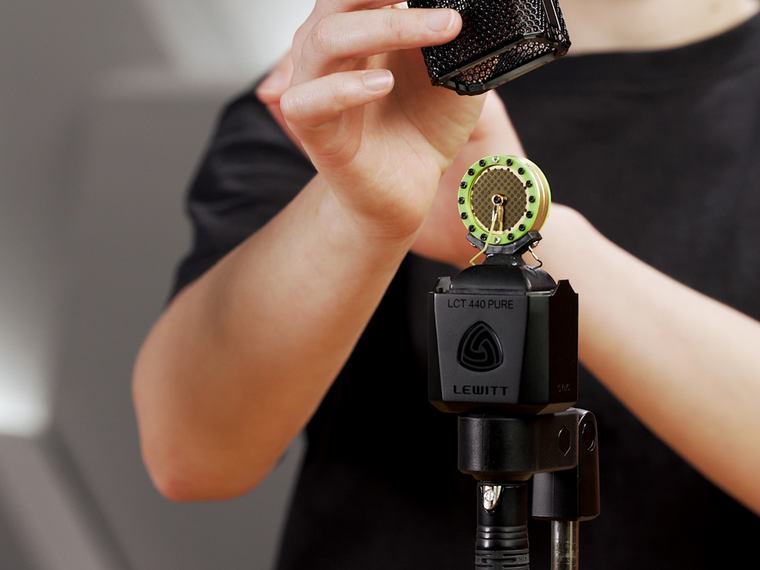
In this blog, you’ll find out how a microphone works. We’ll talk about the two main types of microphones for recording, dynamic and condenser microphones. And…
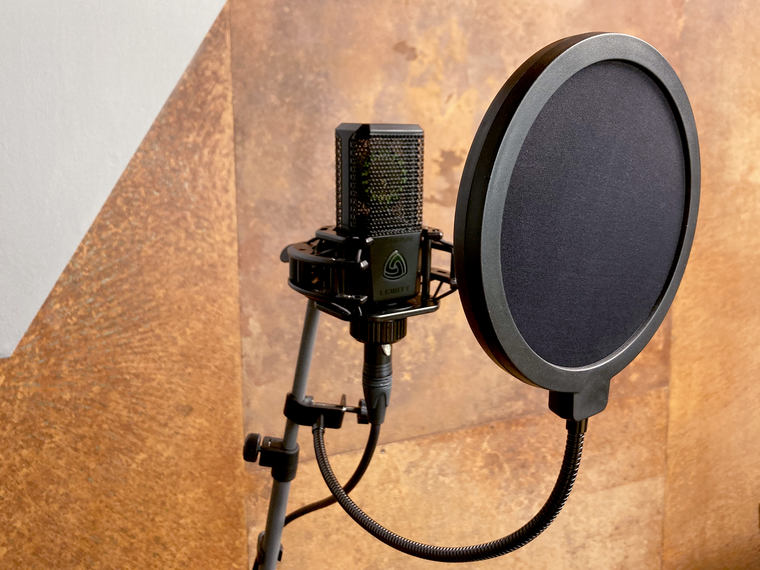
Do I need a shock mount and a pop filter for my microphone?
You've probably heard or read online that you need a microphone shock mount and a pop filter when recording vocals. Here you will quickly learn why you need…
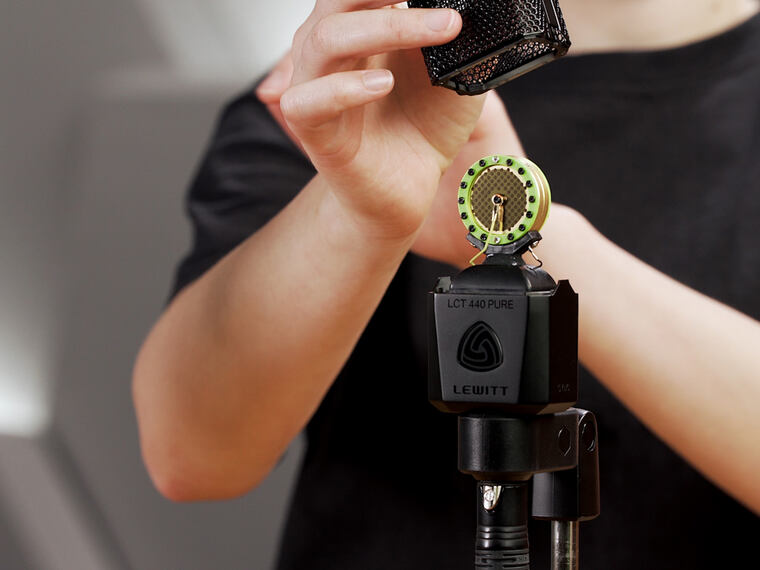
What is phantom power and why does my microphone need it?
You may have heard about "phantom power" in the context of microphones and audio interfaces. Phantom power is essential for condenser microphones to work. This…
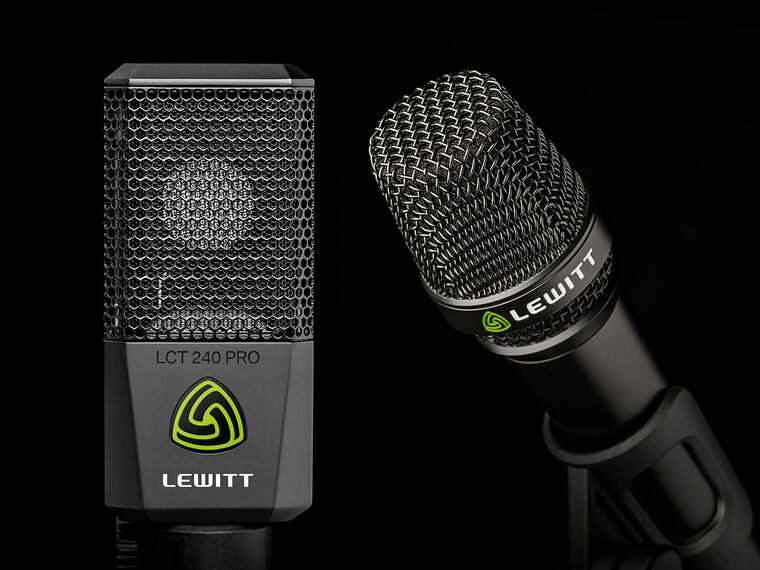
Types of microphones
Microphones come in many different shapes and forms. We use them for various applications, but always with the same goal: to capture sound. In this blog, you 1)…